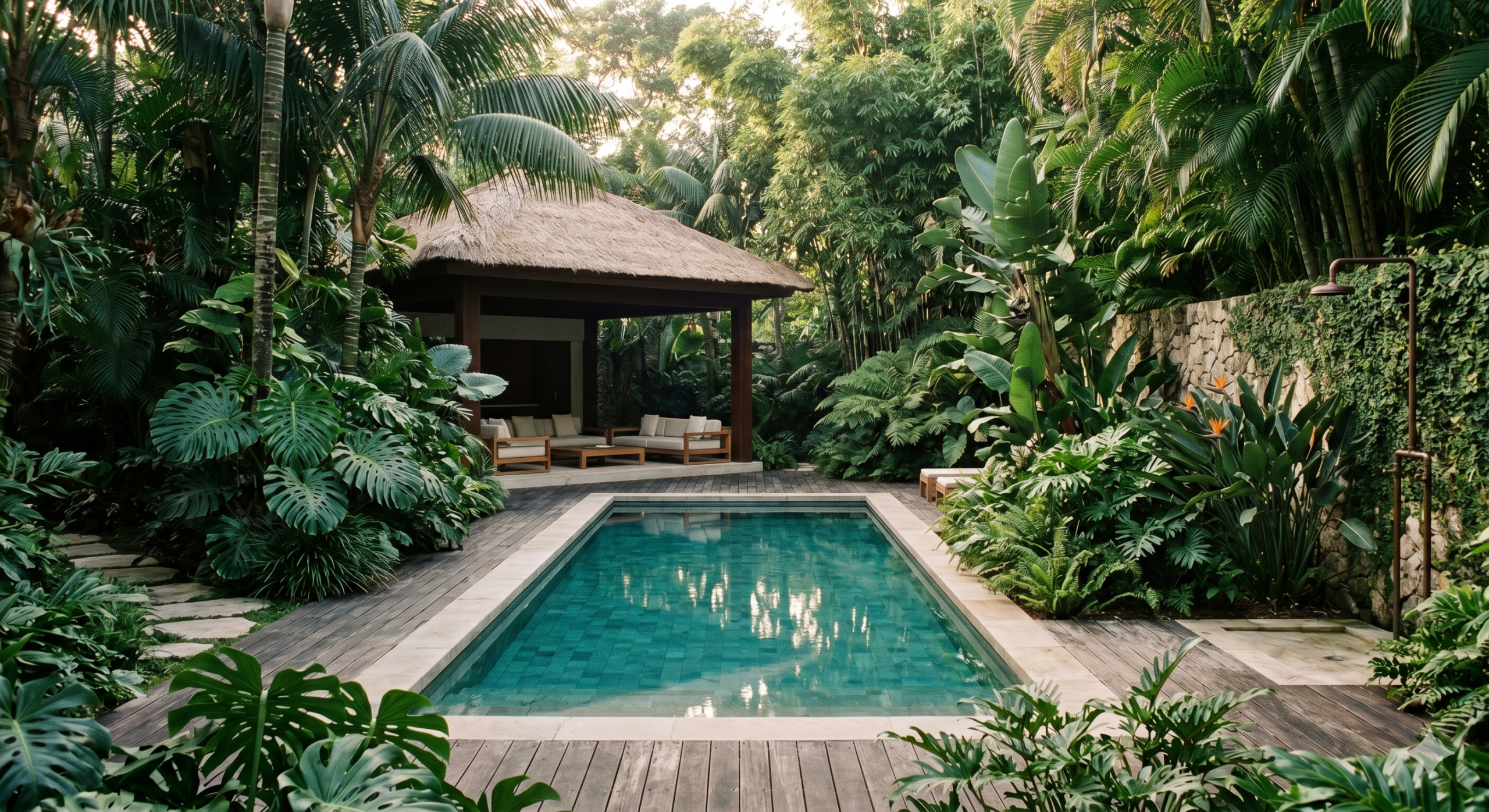
Almost every property search in Goa starts the exact same way. You rent a beautiful Portuguese house for a week, look at the explosive green fields after a monsoon shower, and decide you need to own a piece of this. The dream is to purchase a villa in Goa and escape the city grind permanently.
It sounds great over drinks. But going from a holiday fantasy to wiring ₹4 Crores for a property is a massive leap. If you are going to drop that kind of capital, you have to look past the aesthetics and figure out what actually happens after you get the keys.
The first thing out-of-state buyers want is a house right on the beach. Then they spend a month here during peak season and the reality sets in. Living on the immediate coastal belt means dealing with narrow, choked roads from November to January. You can’t even get your car out of your own driveway in Baga or Calangute without sitting in traffic.
This is exactly why the smart money shifted gears. People who actually spend extended time in Goa want silence. They are moving 10 minutes inland to the riverine belts.
If you drive through the winding, tree-lined roads of Saipem or Pilerne today, you instantly get it. It is dead quiet. You get sweeping forest views, but you are still only a seven-minute drive from grabbing a great coffee in Candolim. Projects like Keshavaa Kameiros in Saipem are absorbing this exact crowd—buyers who want proximity to the lifestyle, but absolutely refuse to live in the middle of the noise.
A lot of buyers insist on buying a raw plot to build their custom “dream home.” Unless you are retiring and plan to make construction your full-time hobby, do not do this. Trying to manage local contractors, track down specific laterite stones, and deal with village panchayat approvals while you are sitting at a desk in Delhi is an operational nightmare.
Even if you buy a ready, standalone villa from an individual seller, you are now the facility manager. When the power transformer blows during a storm in July, or the pool pump burns out on a Sunday, it is entirely your problem to fix.
This is why gated communities completely dominate the premium market now. You get the private pool, the private garden, and the massive square footage, but you outsource the headaches. You pay the management fee, and someone else deals with the plumber. Projects like Keshavaa Krisanto in Pilerne are built for this reality: luxury is having your time back.
How much does a decent villa actually cost right now?
If you want a premium 3 or 4-bedroom villa in a good managed community in North Goa, you are generally looking anywhere from ₹3.5 Cr to ₹12 Cr, depending on exactly where it sits and the finish quality.
Are standalone houses harder to sell later?
Yes. Resale buyers are getting smarter. They don’t want the maintenance burden of an isolated house. A villa inside a well-run gated community with a proven track record is much easier to liquidate.
Will my house be safe if I lock it up for six months?
In a managed community with 24/7 security and a facility team airing it out, yes. If you lock up an independent house in Goa for six months, you are coming back to severe mold, weather damage, and potential security issues.
Which inland areas are actually worth buying in?
Saipem, Nerul, Pilerne, and the quieter, residential parts of Porvorim. They offer the best actual day-to-day living experience without sacrificing property appreciation.
Buying a villa in Goa is entirely worth it if you stop romanticizing the process and start looking at the logistics. Stay away from the congested beachfronts, avoid the trap of building your own standalone house, and buy into a managed ecosystem that protects your asset from the weather. When you buy practically, a Goa villa is the best lifestyle asset you can hold.