For an NRI sitting in Dubai or London, buying a home in Goa represents the ultimate connection to the homeland. But investing from 4,000 miles away requires a defensive, structured approach. Because NRIs often enter the market with high liquidity, they are frequently targeted for deals that locally savvy buyers would avoid.
The single biggest mistake is buying raw land without a local presence. Empty land in Goa is highly susceptible to encroachment if not monitored, and zoning laws can change before you return to build. If you cannot physically visit the site every few months, do not buy raw land.
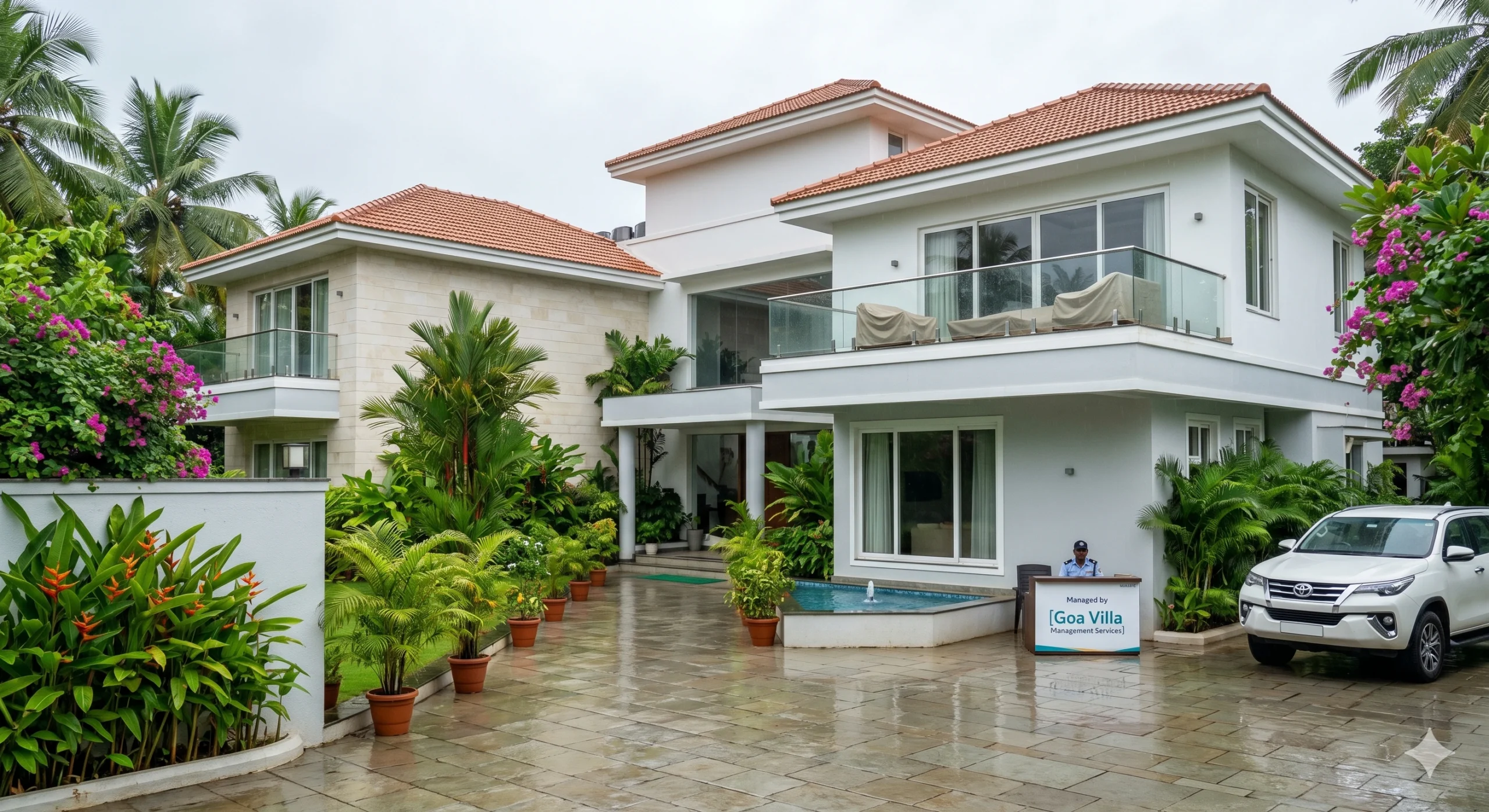
The second mistake is underestimating the monsoon. NRIs often buy beautiful standalone homes and lock them up, only to return to aggressive mold and swollen woodwork. This is why experienced NRI investors strictly buy into managed communities like Keshavaa De Rosa, where the property is maintained year-round even while they are on another continent.
Can NRIs legally buy property in Goa?
Yes, under FEMA regulations, NRIs and OCIs can purchase residential and commercial properties, but they cannot purchase agricultural land.
Do NRIs need a special bank account for the transaction?
Yes, payments must be made through banking channels via NRE, NRO, or FCNR accounts.
How can an NRI manage a rental property from abroad?
By hiring a professional management firm that handles everything from guest relations to maintenance and remits the net income to your NRO account.
Is RERA important for NRI buyers?
Absolutely crucial. Buying only RERA-registered projects ensures the developer is legally bound to timelines, which protects you from afar.
Distance magnifies risk. For an NRI, the golden rule of Goa real estate is to prioritize hassle-free ownership over complex standalone projects. Buy into managed communities, insist on RERA compliance, and choose assets that require zero micro-management.